



Cape Verde: From Cabral’s Dream to Europe’s Playground
Yesterday, Cape Verde marked another Independence Day. On July 5, 1975, the tiny Atlantic archipelago broke free from Portuguese rule. It joined the ranks of Africa’s independent states, powered by a revolution that once promised to reshape not just Cape Verde but the continent itself.
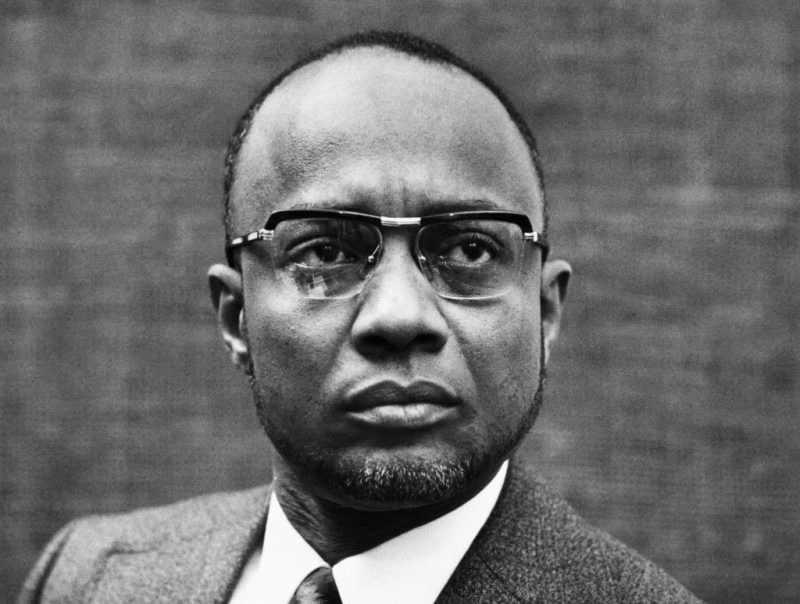
The roots of Cape Verde’s independence run deep. Its story is bound to the towering figure of Amílcar Cabral. Cabral was more than a revolutionary leader. He was a philosopher of liberation. In 1956, he founded the African Party for the Independence of Guinea and Cape Verde (PAIGC). With this party, he united diverse peoples under one banner. His aim was simple yet profound: to end colonial rule and restore dignity to Africans long stripped of their identity.
Cabral knew that colonialism was more than land theft. It was also an assault on culture. He called for a “re-Africanization” of the mind. Liberation, for him, meant reclaiming history and heritage. It meant building a society that valued its own roots over the values imposed by Europe.
In Guinea-Bissau, Cabral led a fierce guerrilla war starting in 1963. Cape Verde, however, saw no major battles on its soil. The Portuguese maintained tight control there. But Cape Verdeans did not sit idle. Many joined the struggle in Guinea-Bissau, seeing that as the frontline for their shared future.
Then came Portugal’s own revolution. In 1974, the Carnation Revolution toppled Lisbon’s dictatorship. The colonial wars had drained Portugal. With its empire collapsing, independence for Cape Verde became inevitable. On July 5, 1975, Cape Verdeans raised their flag.
But what was supposed to come next? Cabral’s dream was never just about kicking out the Portuguese. It was about building new nations rooted in justice and solidarity. He wanted African countries to stand together, to break the chains of foreign exploitation for good. His PAIGC even inspired liberation movements in Angola and Mozambique.
Cabral’s assassination in 1973 cut short this grand vision. Still, his ideas echoed across Africa. For a time, Cape Verde held onto them. It punched above its weight in regional politics. Its leaders spoke of unity from Algiers to Lagos, Cairo to Lusaka. In 1975, as Portugal toyed with sending troops to suppress the PAIGC in Guinea-Bissau, Nigeria’s military government vowed to deploy forces in defense of Cabral’s movement. The ripple effect reached Cape Verde, underscoring how much weight the revolution once carried across the continent.
Fast forward to the 1980s. The revolution began to dim. By the 1990s, it was a fading memory. Cape Verde’s once mighty PAIGC fractured. The disciplined party that once commanded respect across Africa dissolved into history.
In its place rose a new elite. They wore Western suits and carried out policies crafted not in Praia but in Brussels and Washington. Cape Verde was pulled back into Europe’s orbit. Its brightest minds left. The lure of dollars and euros drained the country of talent.
Today, Cape Verde is praised in Western circles as a “model democracy.” Investors gush over its tourism sector. Luxury resorts pop up to serve European and American visitors. Local resources and labor feed foreign profits. The revolution’s slogans have been replaced by marketing slogans.
The political climate has become conservative, even reactionary. Cape Verde’s bureaucracy dances to tunes set by European technocrats. Policies cater more to creditors and tourists than to ordinary Cape Verdeans. A country once at the heart of pan-African dreams is now largely absent from African affairs.
What went wrong? How did the land of Cabral turn into an outpost of European economic interests? Some point to sheer geographic and economic vulnerability. Others blame the global tides of neoliberalism that swept Africa in the 1980s and 1990s. Both matter. But it’s also clear that local leadership lost sight of Cabral’s deeper goals.
They swapped the hard work of building a self-reliant, culturally confident nation for easier paths of aid, remittances, and tourism dollars. Instead of pushing for African unity and economic independence, Cape Verde’s ruling class tied its fortunes to Europe’s.
Now, as Cape Verde celebrates another independence anniversary, hard questions linger. Is this what Cabral envisioned? Would he see his revolution alive in today’s Cape Verde, or buried beneath resorts and EU contracts?
Of course, Cabral’s image still sells. His face adorns T-shirts, his words echo at music festivals—ironically, often in Europe and America. But beyond the memorabilia, does the spirit of the revolution live on? Or has it been reduced to a cultural commodity, stripped of its radical call to transform society?
Cape Verde stands today as a cautionary tale. It shows how easily a revolution can be defanged. Independence was achieved. But true liberation—economic, cultural, and political—was far harder to secure.
Cape Verde’s story isn’t over. It can still choose to reclaim its revolutionary heritage. It can look again to Africa, build solidarity, invest in its people, and stand for more than being a pleasant stopover for sun-seekers. That would honor Cabral’s legacy more than any monument or melody ever could.