








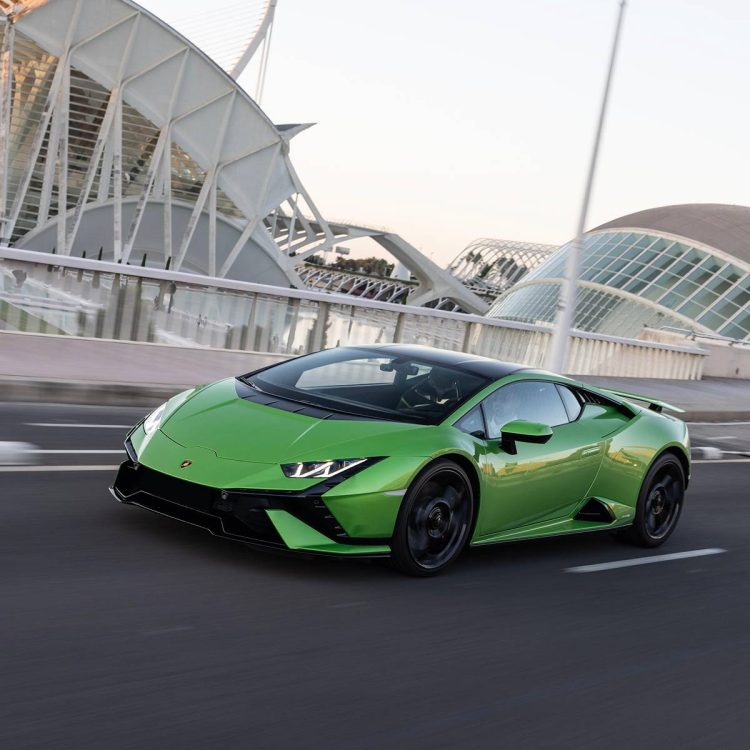
Lamborghini Huracan, Not so Super
The news ripped through the football world like a cruel, jagged shard of glass: Diogo
Jota, the electrifying Liverpool forward, and his younger brother Andre Silva, gone. Not
on the pitch, but on a quiet Spanish road, consumed by a fire that engulfed their
Lamborghini Huracan. A car built for speed, a machine of exquisite engineering, yet it
could not save its occupants from a fiery, agonizing end.
The details that emerged only amplified the tragedy. Initial reports indicated that Jota, a
newlywed with three young children, was not speeding. The Huracan, a beast capable
of 325 km/h and costing upwards of $348,000, was seemingly operating within
reasonable limits. Spanish police suggested a possible punctured rear tire before the
car veered off the road and burst into flames. This wasn’t a reckless joyride ending in a
predictable disaster; it was a sudden, unforeseen catastrophe where a “toy” designed
for ultimate performance failed its most fundamental purpose: to protect.
What could have gone wrong? A luxury supercar, packed with advanced safety features
like multiple airbags, anti-lock braking systems, and electronic stability control, yet it
became a death trap. The very components that make these cars so powerful – high-
performance engines, complex fuel systems, and lightweight materials – can,
paradoxically, become liabilities in a high-impact situation.
A punctured tire, a loss of control, and then, the unthinkable: a ruptured fuel line or damaged electrical component
meeting the intense heat of the engine or friction from the crash, leading to a
catastrophic inferno. The car’s sophisticated design, while aimed at performance, might
not have adequately anticipated or mitigated the risk of post-crash fires and occupant
egress in such extreme circumstances. The focus on speed and handling, it seems, can
sometimes overshadow the more mundane, yet utterly vital, aspects of real-world crash
survivability.
This heartbreaking incident compels a deeper reflection for the ultra-rich who indulge in
such automotive marvels. Is the sheer thrill of speed and exclusivity worth the inherent,
albeit rare, risks that even the most expensive machines carry? What good is “pleasure
without security?” While accidents are, by their nature, unpredictable, this tragedy
underscores the need for a heightened awareness of inherent vulnerabilities.
Perhaps it’s about reassessing the “necessity” of such vehicles for daily use, or at the very least,
demanding an even higher standard of fire suppression and escape mechanisms.
For car companies in the luxury segment, the message from this inferno should be
clear: the pursuit of performance cannot compromise occupant safety, especially when
it comes to post-crash scenarios. This goes beyond standard crumple zones and
airbags. Manufacturers must innovate further in areas like fuel system integrity, even
under extreme impact, and develop rapid, automated fire suppression systems within
the engine compartment. More robust materials for fuel lines, intelligent fuel cut-off
mechanisms that deploy instantly upon impact, and even enhanced escape systems for
trapped occupants need to be prioritized. The ultimate luxury isn’t raw power; it’s the
absolute assurance that a car, no matter its cost, can offer the best chance of survival
when the unforeseen strikes. Jota and Andre’s tragic end is a grim reminder that even
the most coveted of toys can turn into a deadly cage when security takes a backseat to
spectacle.