



Global Push for Plastics Treaty Collapses Amid Deep Divisions Over Production Limits
United Nations negotiations to deliver the world’s first legally binding plastics treaty
ended without agreement after nearly three years of talks, with delegates rejecting two
draft texts and leaving no plan for the next stage.
The talks, involving around 180 countries, were intended to produce a treaty that would
end plastic pollution “from source to sea.” Delegates were divided over whether the
agreement should impose limits on the production of new plastics and regulate
hazardous chemicals, or focus narrowly on waste management and recycling.
A coalition of countries, including many EU members, the UK, Colombia, and several
African and Pacific states pushed for a “full lifecycle” treaty addressing production,
product design and toxic additives. Opposing them, major oil and petrochemical
producers such as Saudi Arabia, Russia, and Iran, alongside the United States, argued
for a deal centered on voluntary measures for waste reduction without binding limits on
production.
The final chair’s draft, tabled late in the session, omitted production caps and diluted
proposals on chemical controls. The compromise text failed to satisfy either side, with
both high-ambition advocates and producer-aligned states rejecting it.
Observers said the process was hampered by the consensus rule, which allows a small
group of countries to block the agreement, and by a lack of an intersessional work plan to
reconcile differences before ministers meet again.
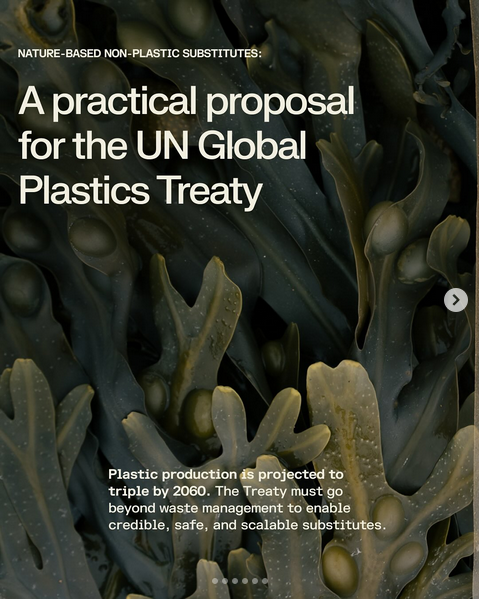
Environmental groups warned that without measures to curb production, global plastic
output is expected to rise sharply in the coming years, worsening pollution in oceans,
soils, and the food chain. The breakdown leaves no global framework in place to
address the problem, and no timetable for resuming talks.