








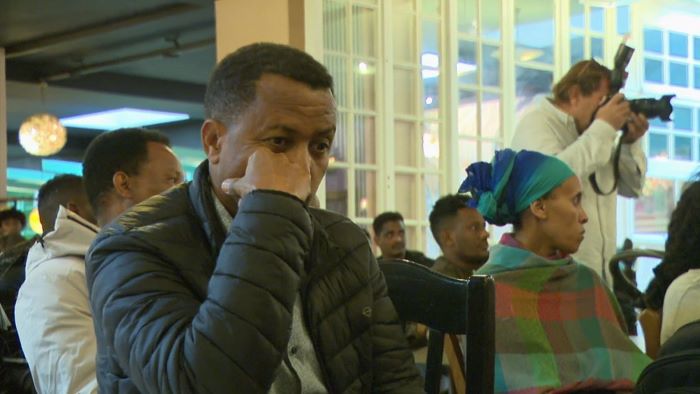
Eritrean in Luxembourg – Refugees in limbo
Eritrean refugees in Luxembourg say they are being forced to live in overcrowded
shelters, with dozens crammed into single rooms, as a shortage of housing collides with
the country’s strained asylum system.
Community representatives warn that recognised refugees remain stuck in reception
centres long after being granted protection, unable to secure apartments on the private
market. Conditions described include up to 30 people sharing a room, inadequate
privacy and overstretched facilities.
Luxembourg has one of Europe’s tightest housing markets, and the shortage has spilled
into asylum reception. The National Reception Office has reported centres running at
almost full capacity for months, leaving officials struggling to house new arrivals.
Although those granted international protection receive a five-year residence permit,
they are expected to leave shelters to find independent housing. Advocacy groups say
this has become impossible for many, citing high rents, scarce affordable stock and
competition with locals.
The crisis has become especially acute for Eritreans, who form one of the largest
groups of asylum seekers in the Grand Duchy. Hundreds have appealed to the
government to expand reception capacity, subsidise affordable housing and provide
direct support to prevent homelessness.
Recent court rulings have highlighted the tension. In July, the Administrative Court
upheld a controversial policy excluding single male asylum seekers from automatic
access to state accommodation, dismissing a collective challenge by NGOs on
procedural grounds. Yet in a separate case, judges ordered the state to provide
emergency shelter to one man, ruling that homelessness risked serious harm. The
mixed decisions suggest individual challenges may succeed even as the broader policy
remains intact.
Officials say they are working to ease the strain, opening several new centres and
urging municipalities to provide land for temporary or modular housing. But refugee
groups argue these measures fall short, warning that overcrowding poses health and
safety risks and undermines integration.
Luxembourg’s difficulties mirror pressures across Europe but differ in scale and
response. In Germany, Eritreans are among the top nationalities granted asylum, but
larger federal and municipal housing networks have allowed more systematic relocation
out of reception centres, despite frequent bottlenecks. France has faced repeated
criticism from rights groups for makeshift camps in Paris and Calais, with courts
occasionally forcing the state to provide shelter for individuals. Belgium has struggled
with similar overcrowding, leading to a wave of court cases obliging authorities to house
asylum seekers placed on waiting lists.
In contrast, Luxembourg’s much smaller size and tighter housing market, leaves it with
less flexibility. While neighbors face mass numbers, the Grand Duchy’s challenge is
ensuring recognised refugees do not remain in limbo once their status is granted.
Rights groups argue that without structural solutions – including social housing
investment, rent subsidies and more municipal involvement – Luxembourg risks turning
international protection into a prolonged state of uncertainty. For many Eritreans,
escape from persecution has brought safety, but not yet the stability of a home.