






Slow, Safer streets – Why Luxembourg’s Towns are Switching to 30km/h
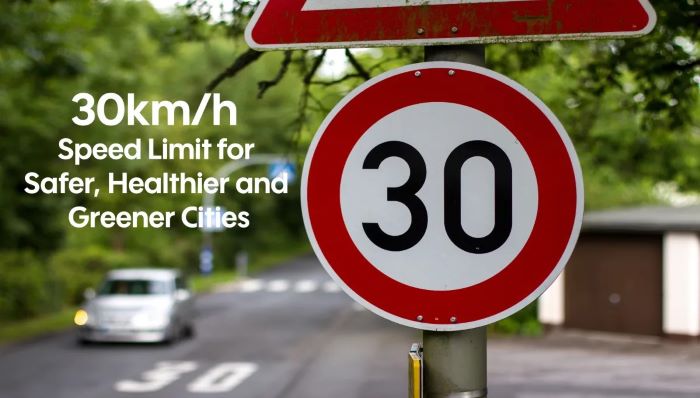
Most municipalities in Luxembourg have now adopted a 30 km/h speed limit across their
built-up areas, part of a growing European movement to slow traffic in towns and cities.
The decision, rolled out gradually in recent years, is aimed at reducing accidents and
improving safety for pedestrians and cyclists. Officials say that lowering speeds not only
decreases the likelihood of collisions but also reduces the severity of injuries when
accidents do occur.
Beyond safety, authorities point to other benefits. Slower traffic helps cut noise pollution,
reduces vehicle emissions in congested areas, and creates calmer neighborhoods that
encourage walking and cycling. City planners also view the policy as a way to reclaim
public space, making streets more livable for residents.
Evidence from other European cities suggests the move is likely to have an impact.
Studies of 30 km/h zones in France, Belgium, and Spain have shown reductions in
crashes and road injuries. Brussels, which adopted 30 km/h as the default city speed
limit in 2021, has reported a fall in road casualties. Paris introduced a similar measure in
2021, and Spanish law now makes 30 km/h the standard in most urban streets
nationwide.
Germany remains more fragmented, with municipalities calling for wider powers to
implement 30 km/h limits, but facing resistance at federal level. Luxembourg’s decision
therefore puts it in step with its neighbors, aligning with a broader EU push to calm
traffic in urban areas.
Whether the change can reduce crime is less certain. Police and security experts note
that while calmer streets can improve perceptions of safety and reduce opportunities for
certain offences, the policy is unlikely to have a direct impact on crime rates.
For Luxembourg’s towns, however, the calculation is clear: slower streets are safer
streets. Officials argue that a shift in driving culture, combined with enforcement and
better infrastructure, will help to cut road deaths, encourage sustainable mobility, and
make urban life quieter and more pleasant.