




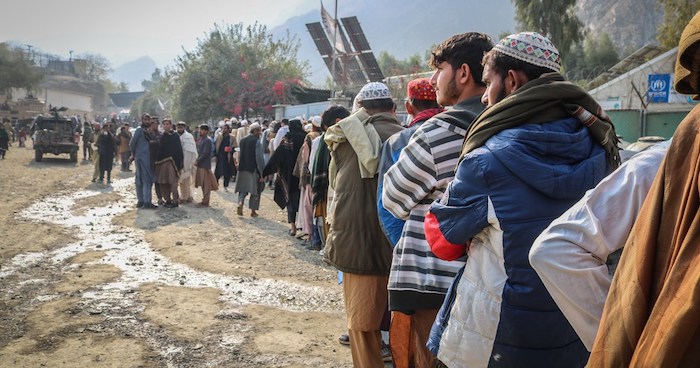
Europe’s Moral Retreat: The Grim Reality of Proposed Deportations to Afghanistan
In a move that has stunned rights advocates, Luxembourg and several other European
Union countries are pressing Brussels to lift the current ban on deportations to
Afghanistan, effectively paving the way to send undocumented migrants back to a
country still under Taliban rule. The proposal, which has been quietly gathering
momentum in recent weeks, lays bare a hardening of Europe’s migration stance – one
that critics say betrays the very principles of humanity and asylum on which the Union
was built.
The push comes amid growing political pressure across Europe to curb irregular
migration and to show toughness in the face of rising populism. Governments argue that
undocumented migrants who have exhausted all legal remedies must be returned to
their countries of origin, regardless of the situation on the ground but Afghanistan,
where women remain barred from education and work, dissenters are silenced, and
poverty is endemic, is not just another failed state, it is a place where human life carries
little value under an oppressive regime.
Luxembourg, along with Austria, Germany, and the Netherlands, has reportedly urged
the European Commission to “re-examine the feasibility” of returns to Afghanistan,
suggesting that cooperation with the Taliban could be possible through intermediaries.
While no official contact has been confirmed, sources in Brussels say preliminary
discussions have taken place via regional partners, exploring what one EU diplomat
described as “controlled deportations” – a euphemism that, to many, evokes a darker
history.
For the thousands of Afghans living precariously across Europe, some working,
studying, or raising children – the proposal is a nightmare revived. Many fled not just
war, but the regime now in power. They built fragile new lives in countries that promised
refuge, only to be told years later that safety was conditional, and compassion had an
expiry date. “They say Europe is free,” said Ahmad, an Afghan mechanic living in
Luxembourg without papers for six years. “But how can freedom mean being sent back
to your death?”
Human rights organisations have condemned the idea as morally indefensible and
legally untenable. Amnesty International warned that deporting people to Afghanistan
would violate international law and could amount to refoulement, the forced return of
individuals to a place where they face persecution. The United Nations High
Commissioner for Refugees maintains that Afghanistan remains unsafe for returns,
citing daily reports of torture, disappearances, and executions under Taliban rule.
Meanwhile, the Taliban themselves have shown little willingness to take back deportees.
Their government, unrecognised internationally, has not made any formal agreements
with EU states, though some Taliban officials have publicly welcomed the “return” of
Afghans as part of what they call a national rebuilding effort. For deportees, however,
the reality would likely be grim – interrogation, imprisonment, or forced conscription.
Women, in particular, risk being detained simply for having lived independently abroad.
The broader question is whether Europe, in its bid to appear resolute, is surrendering its
moral authority. At a time when democracies claim to be defending freedom against
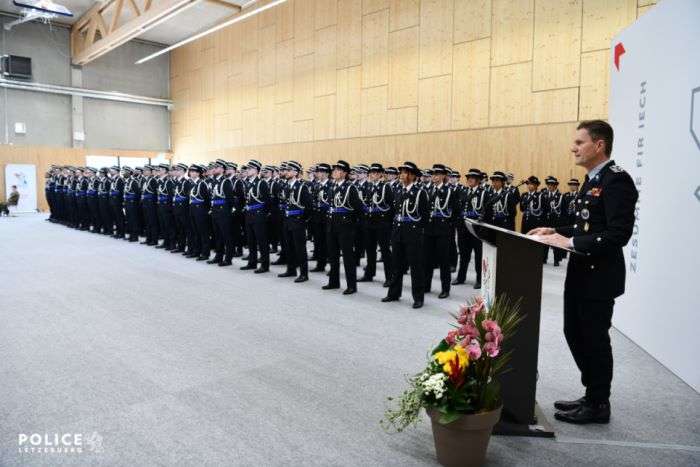
autocracy, the image of police escorting terrified families onto planes bound for Kabul
strikes at the heart of Europe’s self-identity.
It is a sobering reflection of a world that seems to be forgetting its postwar vows, to
uphold human dignity, protect the vulnerable, and never again repeat the cruelties of
forced displacement. From the tightening borders of Europe to the migrant crackdowns
in America, the arc of progress appears to be bending backwards.
If Luxembourg and its allies succeed in reopening deportations to Afghanistan, history
may remember it not as a moment of pragmatic governance, but as a moral failure,
when nations that prided themselves on civilisation turned their backs on humanity
itself.